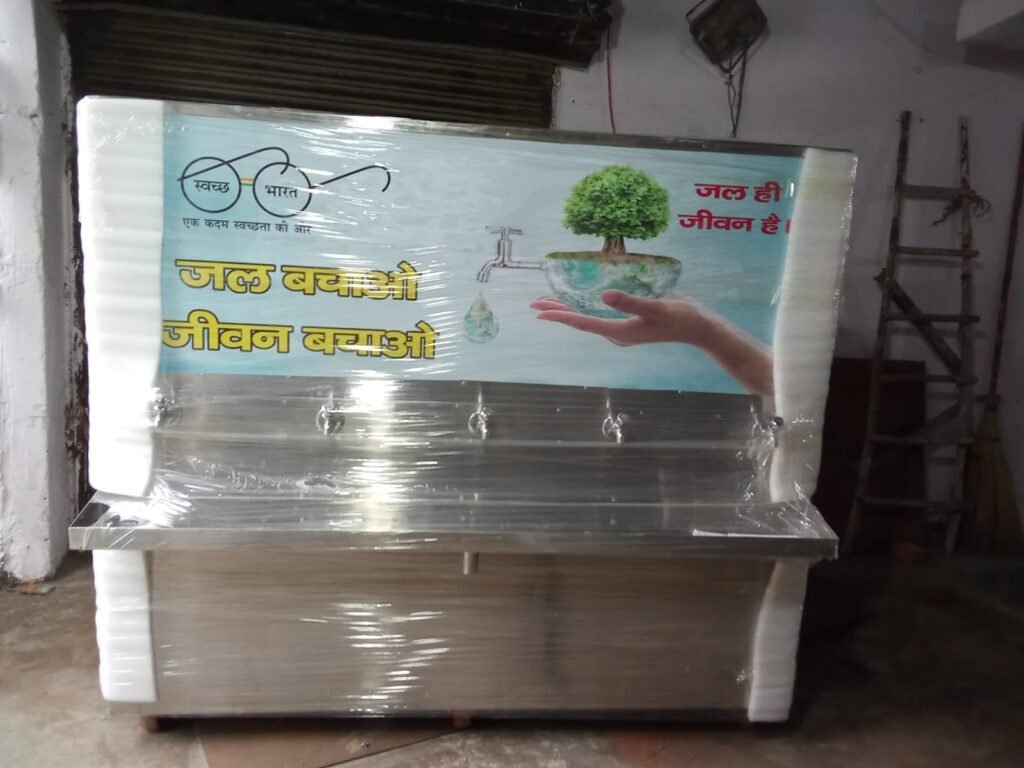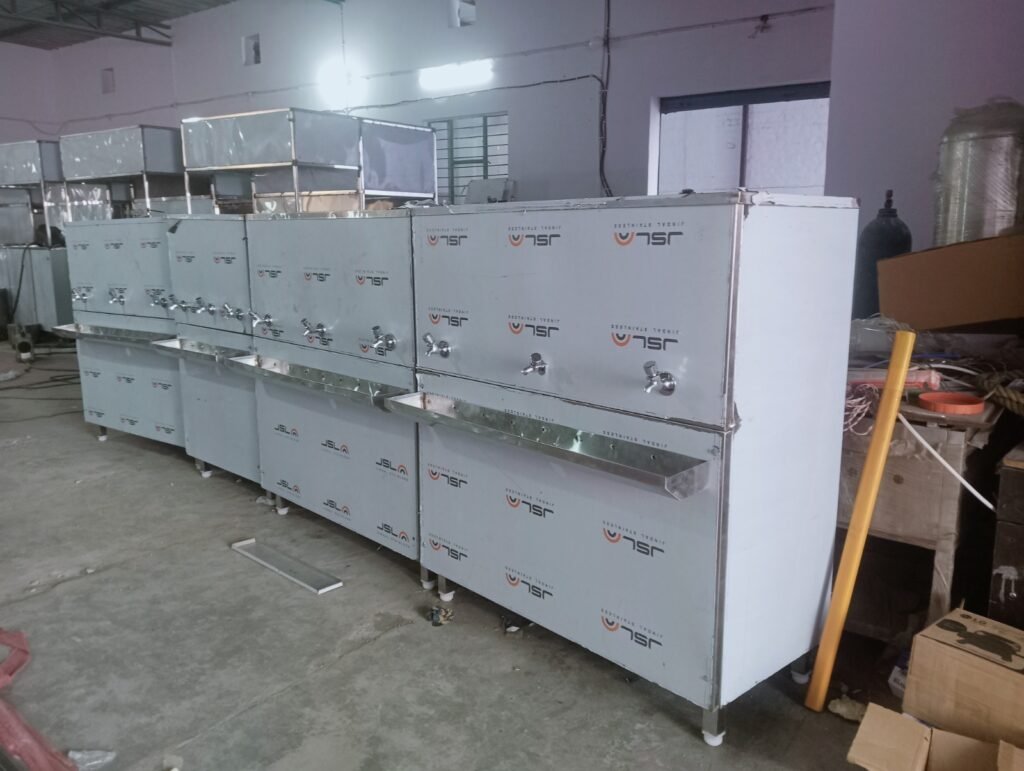
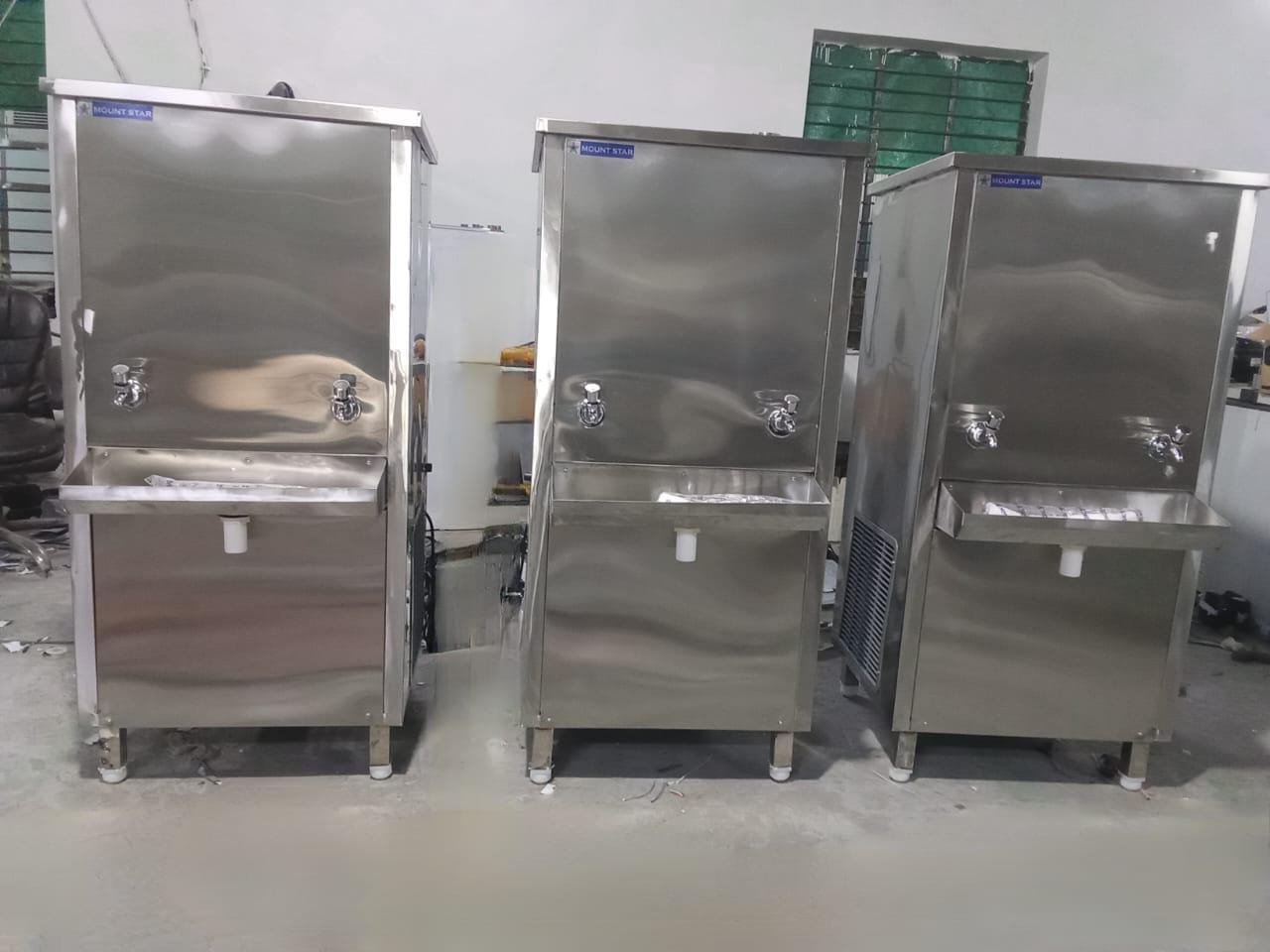
In 2025, water coolers are no longer just basic appliances—they’ve become smarter, more energy-efficient, and designed to suit different lifestyles. Whether you’re buying one for your home, office, school, or a commercial space, choosing the right model requires careful consideration of several factors. This guide will walk you through everything you need to know before making your purchase.
1. Choose Between Bottled and Point-of-Use (POU) Models
The first decision is whether to go for a bottled water cooler or a mains-fed (point-of-use) system. Bottled coolers are easy to set up, portable, and ideal when you don’t have a direct water line. However, they require regular bottle replacement and storage space. POU systems, on the other hand, connect directly to your water supply and often include advanced filtration. They offer unlimited water without the hassle of replacing bottles, making them perfect for high-traffic areas.
2. Match Capacity to Your Needs
Think about how many people will use the cooler and how often. For a small household or a team of up to five, a compact countertop or low-capacity unit works well. For larger offices, factories, or schools, opt for a high-capacity model that can dispense at least 40–50 liters per hour to ensure a continuous supply of cold water even during peak times.
3. Check Filtration and Water Quality
If you’re choosing a POU cooler, filtration quality is crucial. Look for models with reverse osmosis (RO), ultraviolet (UV) sterilization, or activated carbon filters to remove impurities, chlorine, and bacteria. If you’re using bottled water, verify that your supplier meets local drinking water safety standards.
4. Consider Temperature Options
Modern water coolers often come with multiple temperature settings—cold, ambient, and hot. This feature allows you to enjoy chilled water in summer, room-temperature water for everyday drinking, and hot water for tea, coffee, or instant meals. If you need hot water regularly, choose a model with fast heating and child-safety locks.
5. Focus on Energy Efficiency
With rising energy costs, picking an energy-efficient water cooler can save money in the long run. Look for models with eco modes, automatic power-off during inactivity, and low-power cooling technology. Energy Star–rated appliances are a good indicator of efficiency.
6. Prioritize Hygiene Features
Post-pandemic, hygiene has become a top priority. Touchless dispensing systems, sensor-based controls, and foot pedals reduce the need for physical contact. Self-cleaning functions using UV or ozone keep the internal components sanitized, and removable drip trays make cleaning easy.
7. Plan for Easy Maintenance
Regular cleaning keeps your cooler in top condition. Select models with removable tanks and easy access to filters so you can replace them without needing a technician. For POU systems, schedule filter changes every 6–12 months depending on usage and water quality.
8. Choose the Right Placement
Before buying, think about where the cooler will be placed. Keep it in a shaded, ventilated area away from direct sunlight and heat sources. For POU coolers, ensure there is a nearby water connection and a grounded electrical outlet.
9. Go for a Reliable Brand
Investing in a trusted brand ensures you get a durable product and good after-sales support. Popular and reliable names include Avalon, Brio, Blue Star, Usha, and Voltas. Always check warranty details before purchasing.
10. Think About Long-Term Costs
While bottled coolers have a lower upfront cost, the recurring expense of water deliveries can add up. POU systems have higher installation costs but lower running expenses over time. Calculate the total cost over a few years to see which option is more economical for you.
Final Buying Checklist in Words
When selecting a water cooler, think about the type—bottled or point-of-use—based on your space and water access. Match the unit’s capacity to your daily consumption and ensure it offers the filtration level you need. Check for multiple temperature options, energy-saving features, and hygiene-enhancing designs. Maintenance should be simple, and placement should allow for proper ventilation and easy access to water and power. Finally, choose a reputable brand that offers reliable support and consider the total cost of ownership, not just the initial purchase price.
Conclusion
Choosing the perfect water cooler in 2025 is all about balancing convenience, hygiene, efficiency, and cost. With the right model, you can ensure a steady supply of safe, great-tasting water while keeping energy bills low and maintenance hassle-free. By considering your usage patterns and the features that matter most to you, you’ll make a choice that serves you well for years to come.